Pediatric Speech Therapy in Santa Monica: What Happens During an Evaluation?
Jun 09, 2026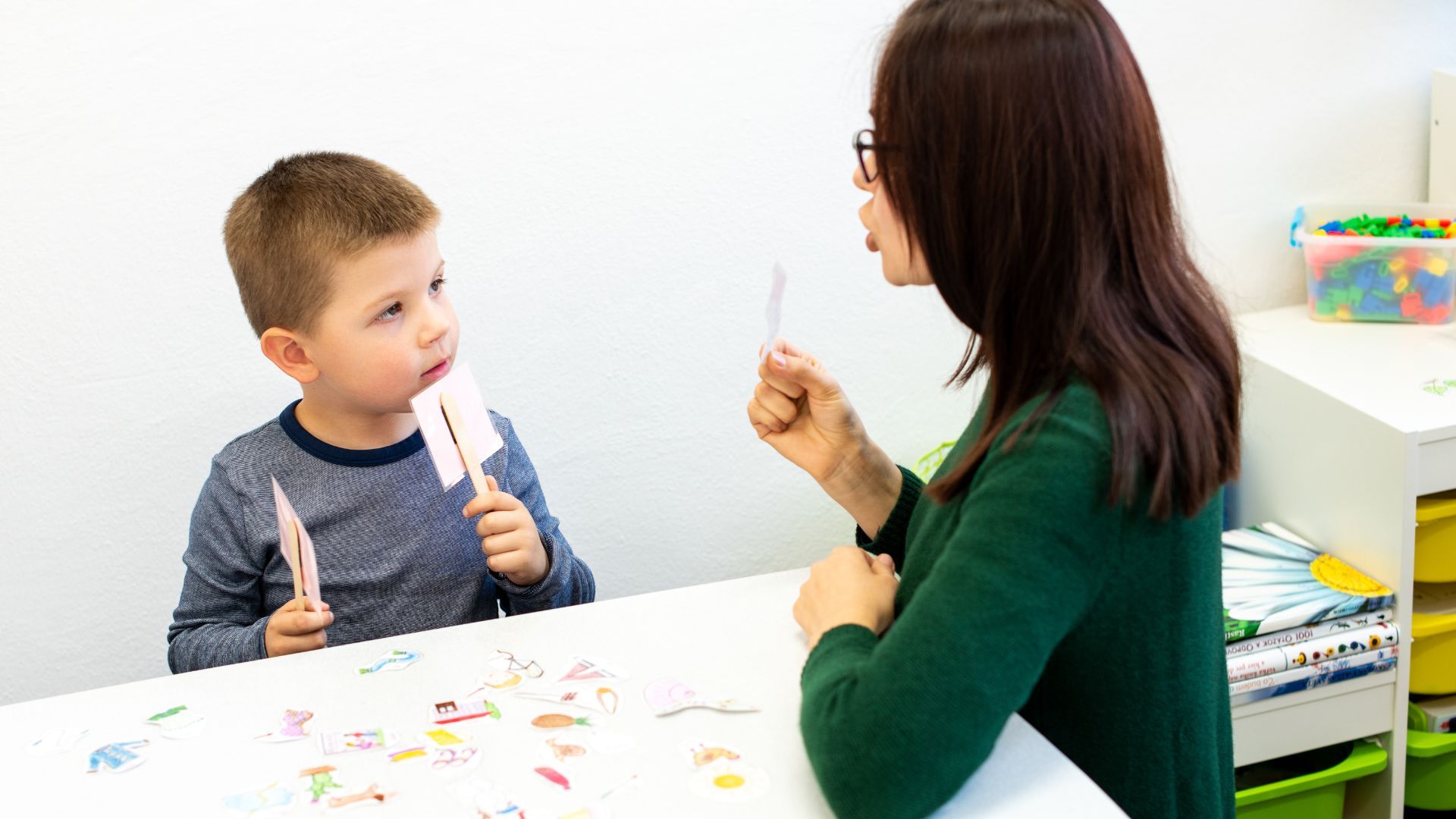
If you’ve been noticing your child is struggling to express their thoughts, getting frustrated when they aren't understood, or falling behind their peers, taking the step to explore speech therapy is an incredible act of proactive care.
But it’s completely natural to feel anxious about what comes next. Parents often wonder: Will it feel intimidating? Is my child going to feel stressed? How do I make sure my kid actually cooperates in the process?
At Pathways Developmental Therapy, we believe that life gets easier when your child can talk with ease. Our evaluations aren't cold, clinical exams. We view speech-language evaluations as root-cause explorations wrapped up in the work of children, which is play!
If you are a family here in Santa Monica or the surrounding Westside Los Angeles communities (including Brentwood, Pacific Palisades, Venice, Culver City, and Playa Vista), we'd love to help you through the process of getting your child evaluated for speech-language therapy. If you're curious about what that looks like, here is exactly what you can expect during a pediatric speech therapy evaluation with one of our experienced therapists, and how you can gently prepare your child for a successful, stress-free first visit.
Part 1: What to Expect During the Evaluation
A pediatric speech and language evaluation is a comprehensive assessment designed to understand your child’s unique communication profile. Our goal is to find where the gaps are, figure out why they might be struggling, and build a tailored roadmap to help them thrive.
Here is exactly what the process looks like:
1. Parent Consultation & Intake
Before the games begin, you'll have a chance to meet with one of our amazing SLP experts. They'll want to know your child's history, their milestones, and your specific worries. Are they having trouble with articulation (pronouncing sounds)? Do they struggle with expressive language (putting thoughts into words) or receptive language (understanding what’s said to them)? If your child is neurodivergent or on the autism spectrum, we also deeply look into their sensory processing and how they connect with the world.
2. Play-Based Assessment
For kids (especially preschool through 3rd grade, which makes up about 90% of our speech kids at Pathways), play is their work. We utilize games, toys, and books to evaluate their speech naturally. While your child thinks they are just playing a fun game with bubbles, blocks, or a picture book, we are carefully evaluating:
-
Receptive Language: Can they follow simple directions or point to specific items?
-
Expressive Language: How do they structure their words, sentence lengths, and vocabulary?
-
Pragmatics: How do they use eye contact, gestures, and turn-taking to interact socially?
-
Oral-Motor Skills: How do the muscles in their mouth, lips, and tongue move when they try to form sounds?
3. Formalized Standardized Tools
Depending on your child's age and attention span, we may use brief, structured activities that compare their communication skills with typical developmental milestones. These help give us concrete data to see where they might be falling behind.
4. Collaborative Observations
We don't look at your child in a vacuum. True success happens when the whole team works together. We analyze how your child interacts with you, and we frequently collaborate with Westside pediatricians, occupational therapists, and local schools to ensure we understand the whole picture.
Part 2: How to Prepare Your Child (And Yourself!)
The most important thing to remember is that your child cannot "fail" a speech evaluation. We meet them exactly where they are. However, a little preparation goes a long way in helping them feel safe, regulated, and ready to show us their true personality.
1. Frame it as a "Playdate"
Avoid using words like "test," "doctor," or "assessment," which can cause anxiety. Instead, describe the evaluation as a special playtime. You might say:
"We are going to visit a new playroom today to play with some cool toys, read books, and play games with a friendly teacher named Angie!"
2. Pick the Right Time Slot
Tired, hungry kids will have a hard time showing us their full potential. When you schedule your call with us, pick a time of day when your child is typically at their best. Avoid booking right around naptime or immediately after a long, exhausting day at preschool. Make sure they have a solid snack and a drink before walking through our doors.
3. Bring Comfort Items & Sensory Regulators
If your child has a favorite stuffed animal, toy, or a sensory comfort item that helps them feel grounded, bring it along! When a child feels safe and sensory-regulated, they are much more likely to engage, vocalize, and connect.
4. Prepare Your Own Examples
As a parent, you are the expert on your child. Before the appointment, jot down a few quick notes on your phone:
-
Words or phrases they say frequently.
-
Specific sounds they consistently swap out (like saying "tat" instead of "cat").
-
How they communicate when they get frustrated (do they point, cry, or pull your hand?).
Empowering Your Child’s Voice on the Westside
An evaluation is simply the first step toward confidence, pride, and communication with ease. Once the evaluation is complete, we won't leave you guessing. We will sit down together, go over the findings, and design a weekly, play-based plan with clear, achievable goals.
Whether we end up seeing your child at our comfortable Santa Monica office, right on their school campus, or working alongside your family's broader developmental team, we are fully committed to making sure your child thrives academically and socially.
Ready to stop worrying and start taking steps forward?
